I have come to realise that the world we see is actually inverted. The health system is actually not interested in health but sickness. Imagine if people were actually well and didnt need drugs, hospitals, surgery, doctors, nurses...there would be a lot of unemployed people and broke business's. Im sure thats why holistic and natural medicine is on the outer. It looks to fix the problem and create a cure rather than just treating symptoms and making people dependent on the system (think long term medications, hospital follow ups, ongoing surgery etc).
Even the supporting societies are not there to help but to maintain the status quo. Hence the Asthma Society is not actually interested in curing asthma - they would cease to exist. Same with the Cancer Society, Arthitis foundation, Heart Foundation etc. I read of a woman who found a natural cure for her arthritis after suffering in agony for 30 years. Delighted, she contacted the arthritis foundation, which she had been an active member of, only to be told they were not interested in hearing about her miraculous cure. I also find it interesting that Cancer charities who raise millions of dollars towards research and supporting cancer sufferers never seem to mention the simple fact that cancer cant survive in an alkaline environment which can be bought about simply through dietry changes.
But it doesnt just stop in the Health area. Police are not there to protect us against crime. If there were no crime there would be no need for a police force. They have a vested interest in the very existence of crime. Imagine if there were no burgularlies anymore. What would the giant insurance companies do? They dont mind paying out on claims becuase it gives them repreat business.
Governments are not there to represent the people anymore(their orginal pupose). They now represent the giant corporations and try and to control the people instead of answering to them.
I think finding out that Santa wasnt real was just the beggining of discovering that the world is actually nothing of what you think its about.
Still, knowledge is power, and armed with this knowledge I know I can now make a real difference.

Friday, January 27, 2012


A breath of fresh air
I worked with a veteran paramedic the other day. He has been doing the job for 30 years, yet he still enjoyed the job and was great to his patients. He had excellent clinical skills and was a really great teacher / mentor. I told him he had a great attitude and that if only we had more people like him the place would be all the better for it. He said it was a personal choice. Working with him was a total breath of fresh air and an inspiration.
Energy Theft
Ive come to realise the reason why emergency services get burnt out. Well this is my theory anyway. I believe we are all essentially energy beings - that is we have, emit and receive energy. Now, as paramedics we almost exclusively attend people who are giving off negative energy, or at the very least absorbing our positive enrgy. Everyone we attend is sick or injured. Their energy levels are sometimes very low, or in the case of dead people, non existing. Everyone knows about the attraction of oppossites. If there is an extrememly negetive energy present and you have positive energy, the forces try to balancel. Your energy is slowly eekked out of you with everyone you attend. At the end of a shift you are severely depleted. Add to this the often negative forces applied down on you from the management and you have a certain formula for burnout and job dis-sattisfaction.
Well thats my theory anyway :)
Well thats my theory anyway :)
Friday, April 01, 2011
The body is a temple
It always amazes me that although we are all cognatively aware that we only have one body that we dont tend to take the best car eof it we possibly can. Almost all dis-eases come from an abuse of the body or mind through poor nutrition, lack of exercise, or a toxic environment (smoking, drugs, negativity, self imposed stress). And when dis-ease does overtake us we (in the western world anyway) expect doctors and the pharmaceutical industry to fix everything up. I am not saying I am any better. In fact it is only this last few years that this has all dawned on me and only now am I addressing my nutitional, cardiovascular and mind/spiritual wellbeing. I guess I take expect anyone else to look after themselves if I dont set an example as a healthcare provider.
Thursday, September 30, 2010
Humour me
I learnt the hard way that humour, while fine with most patients to try and put them at ease, is not to be used with young patients who are drunk or high or with psychiatric patients. While trying to make light of the situation involving a 22 yo female who was tripping on e, her friend took complete offence and let me know about it saying she didnt find it amusing that I was making fun of the situation. Actually I was outside trying to gather info while my two colleagues were attending to her friend in the ambulance. Ended up telling the friend thats what happens when you accepts unknown pills from unknown people.
Tuesday, January 19, 2010
The used paramedic. A fictionional short story
I’m not sure what triggered it.
It could have been the car accident with the teenager whose face was half missing. A look of horror etched into the half that was still there as she saw the truck screaming towards her side of the car.
Perhaps it was the young lady whose hair, dangling out the back of her helmet got caught in the engine of the go-cart she was driving, tearing her scalp right off her head. I often have a vision of her sitting there in a chair, pale, swaying, her bloodied scalp bare for all to see.
Or perhaps it was the distraught mother who fainted while bathing her newborn baby, letting her slip beneath the water and woke to find it drowned. God knows we did all we could but the odds were just stacked against us.
No, thinking back, there is no one particular job that really made the difference. I think it was more the fact that after seeing twenty years of death, sadness, self mutilation and sickness it just accumulated, like a leaking tap, filling my emotional reservoir until it couldn’t take any more in.
In some ways I guess I’m not surprised it happened. Although completely out of character for me (well that’s what all my colleagues said), I had simply just had enough.
It’s not like I was like that all the time though. Hey, I was just as enthusiastic as the others to start with. I did my time at the bottom. Keen as mustard, volunteering whenever I could. Attending events no body else could be bothered doing. Doing extra shifts. Pulling my weight.
There were many good times as well. The close knit comradre. The sports teams. The daily practical jokes we would play on each other to release the tension. The black humour spilling out at any opportunity. The nineteen good years I gave everything to the job. Even my marriage in the end.
I guess when you are not taught how to cope with the stress you just do the best you can. This is not a job for whimps after all.
It’s been seven years since I left. That fateful day. That dreaded last shift when I snapped. I just couldn’t face going out on another call. I don’t know why my mind chose that moment in time to throw such a tantrum. Im pretty shocked and embarrassed by it all now but the professionals said it wasn’t uncommon for someone suffering post traumatic stress syndrome to behave like this.
I miss the job. I was good at what I did. I enjoyed it. Is it my fault that my human frailty caused me to react the way I did? It seems so unfair. Like all the effort I put in for so long counted for nothing in the end. The counsellor said I shouldn't blame myself for what happened. Accumulated stress she called it. I just wish my employer saw it like that too.
Its no use now though. That one moment in my career has tarnished me forever. A black mark against my name. ‘Do not re-employ’ stamped on my file. All that experience wasted. Thrown on the garbage heap like an empty drink container.
I suppose I shouldn’t complain. I saw it happen enough times to others. The supposed caring organisation we worked for shafting people when it suited. When their use by date was past it. The lucky ones managed to hang on. Slipping into PTS until their retirement.
At least I have some great memories and the knowledge that I helped so many in their time of need. Saved a few lives too. Seems so ironic really, going to so many dying people. One day it will be me.
In the meantime I carry on. Life goes on. The cycle will continue and staff will continue to pay the price for their dedication. At least I can say, for the most part, it was job I was really proud to do and I dedicated my life to saving others. I just wish I could still do it.
It could have been the car accident with the teenager whose face was half missing. A look of horror etched into the half that was still there as she saw the truck screaming towards her side of the car.
Perhaps it was the young lady whose hair, dangling out the back of her helmet got caught in the engine of the go-cart she was driving, tearing her scalp right off her head. I often have a vision of her sitting there in a chair, pale, swaying, her bloodied scalp bare for all to see.
Or perhaps it was the distraught mother who fainted while bathing her newborn baby, letting her slip beneath the water and woke to find it drowned. God knows we did all we could but the odds were just stacked against us.
No, thinking back, there is no one particular job that really made the difference. I think it was more the fact that after seeing twenty years of death, sadness, self mutilation and sickness it just accumulated, like a leaking tap, filling my emotional reservoir until it couldn’t take any more in.
In some ways I guess I’m not surprised it happened. Although completely out of character for me (well that’s what all my colleagues said), I had simply just had enough.
It’s not like I was like that all the time though. Hey, I was just as enthusiastic as the others to start with. I did my time at the bottom. Keen as mustard, volunteering whenever I could. Attending events no body else could be bothered doing. Doing extra shifts. Pulling my weight.
There were many good times as well. The close knit comradre. The sports teams. The daily practical jokes we would play on each other to release the tension. The black humour spilling out at any opportunity. The nineteen good years I gave everything to the job. Even my marriage in the end.
I guess when you are not taught how to cope with the stress you just do the best you can. This is not a job for whimps after all.
It’s been seven years since I left. That fateful day. That dreaded last shift when I snapped. I just couldn’t face going out on another call. I don’t know why my mind chose that moment in time to throw such a tantrum. Im pretty shocked and embarrassed by it all now but the professionals said it wasn’t uncommon for someone suffering post traumatic stress syndrome to behave like this.
I miss the job. I was good at what I did. I enjoyed it. Is it my fault that my human frailty caused me to react the way I did? It seems so unfair. Like all the effort I put in for so long counted for nothing in the end. The counsellor said I shouldn't blame myself for what happened. Accumulated stress she called it. I just wish my employer saw it like that too.
Its no use now though. That one moment in my career has tarnished me forever. A black mark against my name. ‘Do not re-employ’ stamped on my file. All that experience wasted. Thrown on the garbage heap like an empty drink container.
I suppose I shouldn’t complain. I saw it happen enough times to others. The supposed caring organisation we worked for shafting people when it suited. When their use by date was past it. The lucky ones managed to hang on. Slipping into PTS until their retirement.
At least I have some great memories and the knowledge that I helped so many in their time of need. Saved a few lives too. Seems so ironic really, going to so many dying people. One day it will be me.
In the meantime I carry on. Life goes on. The cycle will continue and staff will continue to pay the price for their dedication. At least I can say, for the most part, it was job I was really proud to do and I dedicated my life to saving others. I just wish I could still do it.
Sunday, July 12, 2009
Top 5 tips for surviving in an ambulance service
1. Be nice to everyone you work with. Someday they may be your boss even if they did start 10 years after you!!
2. Check your truck off properly. Yes its boring as hell but its actually surprising what you find. Last check I found 8 pairs of safety glasses (there was only supposed to be 2) and most of the supposedly sterile needles had torn packaging (something to do with people trying to jam 10 of them under the elastic tie in the IV kit)
3. Your patient report form is going to get sent back to you cause someone else is determined to find something on it that you missed out or didn't write an entire chapter about. Just accept this as a given and remember point one above.
4. Sometimes you are going to be called an ambulance driver. Does it really matter. Just smile and nod. After-all it is 50% of our job isn't it?
5. If you are going to leave a patient at home at least make them feel like they got their monies worth. Measuring their SpO2, HR, BP while nodding and saying uh huh lots is a good start.
6. Remember that what a patient tells you on the way to hospital and what they tell the triage nurse are often two different things. At some point in time this is going to make you look really stupid at the hospital. But don't worry everyone goes through it at least a dozen times.
7. Stay calm at all times, or at least look like you are calm even when secretly your thinking WTF is wrong with this person or you have come across a major incident. Refer to the second half of point 5 is a good start.
8. Patients are customers. What's your Customer Service like?
9. Take up a hobby, study or something you can fall back on when you are burnt out and need to take a break. Its gonna happen so be prepared.
10. If you are burnt out do everyone a favour and take 12 months leave. You will feel much better for it and so will everyone else.
2. Check your truck off properly. Yes its boring as hell but its actually surprising what you find. Last check I found 8 pairs of safety glasses (there was only supposed to be 2) and most of the supposedly sterile needles had torn packaging (something to do with people trying to jam 10 of them under the elastic tie in the IV kit)
3. Your patient report form is going to get sent back to you cause someone else is determined to find something on it that you missed out or didn't write an entire chapter about. Just accept this as a given and remember point one above.
4. Sometimes you are going to be called an ambulance driver. Does it really matter. Just smile and nod. After-all it is 50% of our job isn't it?
5. If you are going to leave a patient at home at least make them feel like they got their monies worth. Measuring their SpO2, HR, BP while nodding and saying uh huh lots is a good start.
6. Remember that what a patient tells you on the way to hospital and what they tell the triage nurse are often two different things. At some point in time this is going to make you look really stupid at the hospital. But don't worry everyone goes through it at least a dozen times.
7. Stay calm at all times, or at least look like you are calm even when secretly your thinking WTF is wrong with this person or you have come across a major incident. Refer to the second half of point 5 is a good start.
8. Patients are customers. What's your Customer Service like?
9. Take up a hobby, study or something you can fall back on when you are burnt out and need to take a break. Its gonna happen so be prepared.
10. If you are burnt out do everyone a favour and take 12 months leave. You will feel much better for it and so will everyone else.
Saturday, February 21, 2009
Dont Jump Over Walls

So it was my second last night shift being mentored back into the job. The crew Im with are fantastic, accommodating, helpful and good fun to work with.
I manage to get 2 Priority 1 drives in and my confindence has fully returned. While its still fun to drive P1 the thrill doesnt seem to be there anymore.
The night starts busy and keeps going. Nothing too exciting, a PFO, help an invalid off the floor, someone who is unwell and decides to wait until 11pm to do something about it. Some things dont change. A dehydrated patient that I manage to cannulate. It was a blind IV too - could feel the vein but not see it. Success!! Still have the midas touch :)
We get stood down for a meal break at 11pm. Luckily I had some dinner before the shift started but my colleagues are starving. They wolf down their food.
29 minutes into the break another P1. A polynesian who Cant breaf. (SOB). Nothing too serious but we take her in. She declines my offer to rehydrate her via a 16g IV.
Safely dropped off to an already overflowing ED we head to central station to complete the break. No sooner had we pulled in when we get my last and most exciting job.
Two very inebriated young men had run across a petrol station forecourt to the back of the property and jumped over a concrete wall into what they thought was a bushy domain. They clearly didnt realise that the dark void they jumped into was in fact a shear 7m drop from the petrol station down to the overgrown section below.
The SERT jeep gets responded first, we are second to get called and another vehicle also gets responded. Im thinking thats a bit of overkill but the dispatchers decision to send so many units, as it turns out, was a great decision. We need all the hands we can get.
Access to the overgown bush clad section is via a narrow walkway beside a house next to the petrol station. Its dark, muddy, slippery, steep and awkward. We all grab a bit of kit and pick our way gently over the rugged terrain to the torchlight of the SERT guys who have located the patients in a clearing directly under the wall.
Both patients appear intoxicated which may have been their saving grace. They seem incredibly lucky not to have sustained any serious injuries. One has a ?#tib/fib, the other no obvious injuries but very drowsy. The SERT guy gets Fire Rescue on their way.
I go back up to the road to greet the first arriving fire engine and ask them for 2 stokes baskets. Its the easiest, safest and most effective way to get these guys out. The Fire pump SO gets on his radio - "make rescue tenders 2". The City appliances are busy so Avondale and Takapuna ET's are sent. In the end we get Avondales ET and the Parnells aerial appliance which also has a stokes basket.
The Fire guys rig up some lighting so we can actually see what we are dealing with. They also cut down a section of fence which gives us better access. 2 stokes baskets appear and a bunch of willing fireman. These guys are worth their weight in gold.

Collared, packaged, cannulated we scoop our patients up into the stokes baskets and the fireman carry them up to our ambulances. You guys rock.
We load them onto our stretchers while a TV camera looks on. Into the ambulance the camera steals a final zoom in on our patient as I close the doors.
We are only about 1km from the hospital. After a quick R40 we arrive at ED and trundle our patient into Resus. The other ambulance is only just ahead of us.
The job has gone very smoothly. No panic. No fuss. Everyone pitched in and did their thing. A real team effort. Thank god it was the last job though Im covered I perspiration, mud and vegetation.
We return to station, restock, clean up, debrief and I head home. Tired but on a high.
Saturday, February 14, 2009
Back on the road

So its been 8 years since I worked in an ambulance. Im getting mentored back into the job and Im feeling a mixture of excitement and dread at the mere thought of going out on my first job.
Luckily I have an awesome crew to mentor me back into the flow of things.
Geared up and ready to go there was not even time to check the vehicle off before our first job comes down the pager.
Fear grips me. I was counting on the vehicle check to re-familiarise myself with where everything was in the vehicle. I dont even know how the new stretcher works.
I kindly decline the offer to take the first drive. It's night time and I didnt think it would be such a good idea for my first drive in the Merc in 8 years to be a priority one job.
Riding 3rd person up I climb in the back. The job is an R4 car v cyclist so on goes the reflector jerkin and gloves. Im asked if I want to do this job. I want to but again fear grips me...its been a while since I practised. I tell my mentor I will just shadow her for this job.
The patient thankfully only has minor injuries and we whisk her off to hospital. That wasn't so bad. My confidence is building. I reassure myself that it's just like old times.
We call clear and its another P1. My drive. Cool. Off we go. Shit how do you work the new light/siren controller? And how do I program the Navman? And where are the wiper controls? We have a laugh as they give me the low down while I'm pulling out of the ambulance bay.
The drive was actually enjoyable and we end up doing another 3 jobs in a row. All minor medicals. We laugh and joke our way through the shift. By the end I'm fully enjoying myself. It feels good to be back on the road. I just hope tomorrow night goes just as smoothly.
Friday, November 07, 2008
Successful Resus
Well I am interrupting my book postings to tell you about a successful resus I had the other week.
I was doing a bootcamp with my gym and we (the group)had just been for a 2.4km run. While sitting down recovering, one of the oldest members who is 60 (and also one of the fittest) suddenly collapsed and had a VF arrest. 3 of us with medical backgrounds (a vet, radiographer and me) immediately recognised something was wrong and we initially put him in the recovery pos as he had some agonal resps. When he stopped breathing we commenced compressions. An ambulance was immediately called and with the station just 5 mins away they were soon on scene. Monitor on - course VF. 1 DC shock and into Synas tachy. Spontaneous resps. Increased LOC but hypoxic and aggressive. He was transported to ER where he woke up wondering what all the fuss was about!! After time in CCU, an angiogram and 2 coronary stents he is out of hospital and back at work.
First time I have done a resus on someone I know. Great save. What a buzz!
I was doing a bootcamp with my gym and we (the group)had just been for a 2.4km run. While sitting down recovering, one of the oldest members who is 60 (and also one of the fittest) suddenly collapsed and had a VF arrest. 3 of us with medical backgrounds (a vet, radiographer and me) immediately recognised something was wrong and we initially put him in the recovery pos as he had some agonal resps. When he stopped breathing we commenced compressions. An ambulance was immediately called and with the station just 5 mins away they were soon on scene. Monitor on - course VF. 1 DC shock and into Synas tachy. Spontaneous resps. Increased LOC but hypoxic and aggressive. He was transported to ER where he woke up wondering what all the fuss was about!! After time in CCU, an angiogram and 2 coronary stents he is out of hospital and back at work.
First time I have done a resus on someone I know. Great save. What a buzz!
Sunday, October 21, 2007
To Go or Not to Go
When we were called to a job at a persons house for a medical complaint there sometimes arose a dilemma deciding whether a patient should actually go to hospital or not. Making the call was often a tough decision.
For example, a person who collapses for no apparent reason and then fully recovers might refuse to go to hospital. The patient may exhibit no apparent irregular signs or symptoms and may well be ok to stay at home. They almost certainly don’t want to be sitting in an A&E waiting room for hours on end to be looked at only to be discharged. We also had to be mindful of unnecessarily taking patients into an already over stretched emergency department. But the fact remains – they collapsed and people don’t normally collapse. So what do you do?
It’s not unheard of to leave a recovered patient at home only to have them collapse again or worse die at a later hour. Certainly some strong questions would be asked why we didn’t transport in the first case.
However we were not the police. We didn’t have the power to insist patients come with us or else! It was always up to each ambulance officers judgement call at the time and to be honest we didn’t always get it right.
Whilst writing this book the ambulance service was in the media for a classic example of this very dilemma.
An ambulance was called to a private residence in the middle of the night where a patient was apparently complaining of symptoms similar to indigestion. The ambo told the patient to go to bed with a Milo to settle his stomach but was called back a short time later after the patient collapsed and suffered a cardiac arrest.
Our official motto was simply ‘if in doubt – transport’ but this didn’t always marry up with the client or their families wishes and that always made the situation a wee bit trickier.
I attended a job involving a mature male patient, who was staying with one of his adult daughters. Despite his age he was a real attention seeker and when we arrived he was sitting up in his bed with his family fussing around him. I can’t quite remember was his complaint was but it did warrant further investigation but he blatantly refused to go with us to hospital.
His stubbornness resulted in more sympathetic appeals from his family who desperately pleaded for him to come with us. I could tell he was enjoying all the attention he was getting and he continued to decline their appeals.
The senior ambo I was working with could also see that he was just seeking attention and said “oh well just sign our patient report book and we will be on our way.” He passed the book to me to get the required signature, picked up our equipment and started walking out the door. Having seen this scenario many times he wasn’t about to join in with this mans mind games.
This immediately spoiled the patient’s attention seeking scam and he quickly changed his tune saying “if we really thought he should go to hospital he will make the effort” and he promptly got out of his bed and accompanied us to the ambulance.
It was a good lesson for me to remember. If patients wanted to refuse transport I decided it was their prerogative and we had better things to do than force people to comply or worse still play mind games.
Another job I attended involved a similar scenario but this time with a patient who really did need to go to hospital but also refused to do so.
The job we were called to was at an attempted homicide in the city.
A female patient had apparently been arguing with her boyfriend when he allegedly pushed her out the second floor window of their apartment. She landed on her bum onto grass and proceeded to crawl back upstairs to her apartment.
We arrived with the police in attendance and found her sitting at the top of her stairs outside her apartment conscious. I carried out a detailed examination and discovered her chief complaint was pain to her coccyx. Naturally, with the height of the fall we thought she may very well have fractured her pelvis which is potentially very serious.
Unfortunately she was completely unco-operative and absolutely refused to come to hospital.
The police were reluctant to enforce her as they wanted her to lay charges against her partner so they could arrest him for attempted murder but she wasn’t co-operating with them either. It was a stale-mate.
The call came through about 7pm and was our first job of the night shift. I hadn’t eaten dinner yet so I was hungry and my blood sugar was low. Now I don’t know about you but when Im hungry and my blood sugar is low I tend to be lot more impatient and my tolerance level dramatically decreases.
After an hour of hanging around with no compromise I was starting to get really pissed off with the situation. I could see no use in sitting around doing nothing when I could be chomping down my dinner. Suddenly the control room called us up. There was a motor vehicle accident in the main St – Queen Street and they had no one to send. Could we attend? We consulted with the police and decided to take a look because we were close. I was relieved we were out of there.
We raced off to the location but found no sign of the accident. It was a hoax. “Oh well” I said, “at least we can go back to station and I can have my food”!
Unfortunately the senior Paramedic I was working with, who had wisely eaten his dinner, insisted we pop back to our previous patient in case she had changed her mind. I held back a string of tyrant language that was on the tip of my tongue and sat sulking as we made our way back to the original job.
An hour and a half later, after more coaxing she finally decided to come with us but only if the police went to a South Auckland suburb first to uplift her sister and bring her to see her.
By this time I had used up all my blood sugar reserves as well as my patience and tolerance reserves. I was irate and getting very angry. I let my offside know in uncertain terms what I thought of the situation. He wasn’t terribly impressed with me and it wasn’t very professional but I was past the point of caring.
Finally her sister arrived in a patrol car and she decided to come with us to the ambulance. As we gently lead her to the back steps of the ambulance she froze and put her hand out to stop going any further. She pointed to the reflective number on the back door of our ambulance (our call sign) and said that the ambulance vehicle number was evil and that she couldn’t go inside.
I almost lost it once again and really had to bite my lip. She was clearly a psychiatric patient and had wasted enough of everyone’s time. I grabbed her arm firmly and with a little persuasion helped her into the vehicle telling her she was coming with us now whether she wanted to or not. Surprisingly the hospital found she had no major injury and after three and a half hours I finally got my dinner!
For example, a person who collapses for no apparent reason and then fully recovers might refuse to go to hospital. The patient may exhibit no apparent irregular signs or symptoms and may well be ok to stay at home. They almost certainly don’t want to be sitting in an A&E waiting room for hours on end to be looked at only to be discharged. We also had to be mindful of unnecessarily taking patients into an already over stretched emergency department. But the fact remains – they collapsed and people don’t normally collapse. So what do you do?
It’s not unheard of to leave a recovered patient at home only to have them collapse again or worse die at a later hour. Certainly some strong questions would be asked why we didn’t transport in the first case.
However we were not the police. We didn’t have the power to insist patients come with us or else! It was always up to each ambulance officers judgement call at the time and to be honest we didn’t always get it right.
Whilst writing this book the ambulance service was in the media for a classic example of this very dilemma.
An ambulance was called to a private residence in the middle of the night where a patient was apparently complaining of symptoms similar to indigestion. The ambo told the patient to go to bed with a Milo to settle his stomach but was called back a short time later after the patient collapsed and suffered a cardiac arrest.
Our official motto was simply ‘if in doubt – transport’ but this didn’t always marry up with the client or their families wishes and that always made the situation a wee bit trickier.
I attended a job involving a mature male patient, who was staying with one of his adult daughters. Despite his age he was a real attention seeker and when we arrived he was sitting up in his bed with his family fussing around him. I can’t quite remember was his complaint was but it did warrant further investigation but he blatantly refused to go with us to hospital.
His stubbornness resulted in more sympathetic appeals from his family who desperately pleaded for him to come with us. I could tell he was enjoying all the attention he was getting and he continued to decline their appeals.
The senior ambo I was working with could also see that he was just seeking attention and said “oh well just sign our patient report book and we will be on our way.” He passed the book to me to get the required signature, picked up our equipment and started walking out the door. Having seen this scenario many times he wasn’t about to join in with this mans mind games.
This immediately spoiled the patient’s attention seeking scam and he quickly changed his tune saying “if we really thought he should go to hospital he will make the effort” and he promptly got out of his bed and accompanied us to the ambulance.
It was a good lesson for me to remember. If patients wanted to refuse transport I decided it was their prerogative and we had better things to do than force people to comply or worse still play mind games.
Another job I attended involved a similar scenario but this time with a patient who really did need to go to hospital but also refused to do so.
The job we were called to was at an attempted homicide in the city.
A female patient had apparently been arguing with her boyfriend when he allegedly pushed her out the second floor window of their apartment. She landed on her bum onto grass and proceeded to crawl back upstairs to her apartment.
We arrived with the police in attendance and found her sitting at the top of her stairs outside her apartment conscious. I carried out a detailed examination and discovered her chief complaint was pain to her coccyx. Naturally, with the height of the fall we thought she may very well have fractured her pelvis which is potentially very serious.
Unfortunately she was completely unco-operative and absolutely refused to come to hospital.
The police were reluctant to enforce her as they wanted her to lay charges against her partner so they could arrest him for attempted murder but she wasn’t co-operating with them either. It was a stale-mate.
The call came through about 7pm and was our first job of the night shift. I hadn’t eaten dinner yet so I was hungry and my blood sugar was low. Now I don’t know about you but when Im hungry and my blood sugar is low I tend to be lot more impatient and my tolerance level dramatically decreases.
After an hour of hanging around with no compromise I was starting to get really pissed off with the situation. I could see no use in sitting around doing nothing when I could be chomping down my dinner. Suddenly the control room called us up. There was a motor vehicle accident in the main St – Queen Street and they had no one to send. Could we attend? We consulted with the police and decided to take a look because we were close. I was relieved we were out of there.
We raced off to the location but found no sign of the accident. It was a hoax. “Oh well” I said, “at least we can go back to station and I can have my food”!
Unfortunately the senior Paramedic I was working with, who had wisely eaten his dinner, insisted we pop back to our previous patient in case she had changed her mind. I held back a string of tyrant language that was on the tip of my tongue and sat sulking as we made our way back to the original job.
An hour and a half later, after more coaxing she finally decided to come with us but only if the police went to a South Auckland suburb first to uplift her sister and bring her to see her.
By this time I had used up all my blood sugar reserves as well as my patience and tolerance reserves. I was irate and getting very angry. I let my offside know in uncertain terms what I thought of the situation. He wasn’t terribly impressed with me and it wasn’t very professional but I was past the point of caring.
Finally her sister arrived in a patrol car and she decided to come with us to the ambulance. As we gently lead her to the back steps of the ambulance she froze and put her hand out to stop going any further. She pointed to the reflective number on the back door of our ambulance (our call sign) and said that the ambulance vehicle number was evil and that she couldn’t go inside.
I almost lost it once again and really had to bite my lip. She was clearly a psychiatric patient and had wasted enough of everyone’s time. I grabbed her arm firmly and with a little persuasion helped her into the vehicle telling her she was coming with us now whether she wanted to or not. Surprisingly the hospital found she had no major injury and after three and a half hours I finally got my dinner!
Thursday, March 29, 2007
Unusual Jobs Continued

Standbys at Airports for crash alerts were fairly common and usually involved several ambulances and fire trucks racing out to the relevant airport and standing by while a plane, typically with some faulty warning light, circled and then landed safely.
Actual Aircraft accidents, on the other hand, were few and far between so when a vehicle was dispatched to an aircraft crash over the radio, everybody wanted to know the details in case they were also called. During my ten years in the service I attended two real aircraft crashes.
One of the incidents involved a shiny new black Squirrel helicopter at a CBD landing pad. The privately possessed helicopter was being piloted by its proud new owner and
was coming in for a landing next to the perimeter fence on the helipad, near the fuel pump so they could re-fuel. Unfortunately he must have mis-judged the distance and he was a little too close to the fence, his main rotor striking the tall petrol tank breather pipe as he landed.
With the powerful and fast moving rotors suddenly coming to an abrupt halt as they collided with the tall metal pipes, the rotational force was transferred to the rest of the machine and it spun violently around throwing off parts across the landing pad as it did so. It was a total wreck when we arrived.
Fortunately the passenger compartment remained fairly intact and the pilot and his passenger were just shaken (but not stirred) and otherwise uninjured. A rather embarrassed pilot declined out offer to take him to hospital for a medical check-up and instead he preferred to stay inside the administration building than face the barrage of fire appliances and media that had also responded to the incident.
The second aircraft accident involved a twin- engine, light, fixed wing aircraft that crashed at a local aerodrome. The young pilot and his mates were off to one of the Gulf Islands for the long weekend.
An apparent engine failure on take off ruined that plan and instead the aircraft nose-dived and cart wheeled along the runway shortly after leaving the ground. The plane was a right-off with bent wings and damaged propellers but the main fuselage remained relatively intact.
Once again the passengers escaped relatively unharmed. Unfotunately the only passenger that was injured was a female who also happened to be the only one of the group that was scared of flying. With a dislocated shoulder, I’m sure the crash only served to reinforce this poor girls fears.
Back on terra firma, many of our medical callouts were to elderly patients in rest homes. The patients typically suffered from shortness of breath, chest pain, fractured hips or even cardiac arrest. One time I was called to an elderly patient who was suffering from shortness of breath.
We responded urgently to the private rest home and were taken into the residents room. The rest home aide had the patient lying down in bed which would have made her breathing harder however she did have an oxygen mask on the patient. The patients’ daughter was also present, giving lots of reassurance to her mum. As we arrived and started getting our gear sorted, the patient suddenly stopped breathing.
I quickly got out the oxygen bag mask from our resus kit to ventilae her and plugged it into the rest homes large oxygen cylinder that was in the room. I was immediately aware that there was no gas coming out so I automatically checked to see if it was turned on and sure enough it had been turned off all this time!
This poor lady was not only short of breath but whatever oxygen she could breath was being denied as the mask restricted air entry. This is what most likely contributed to the respiratory arrest as the patient started breathing spontaneously when the oxygen started flowing. I politely mentioned aloud that the cylinder works better when it is switched on.
The majority of rest homes I visited were notorious places and typically smelt of stale urine. The residents often looked depersonalised, vegetating in reclining chairs and bunched together, vacantly staring into space or disinterestedly staring at some irrelevant Television channel.
The medical care, I found, was also fairly average. On at least two occasions I transported residents with fractured hips, which hadn’t been detected for days meaning the elederly residents had been in unecessary pain and discomfort.
Elderly people, particularly females, in my experience however are the bravest people in the world. it never ceased to amaze me that they were able to tolerate the most amazing amounts of pain as long as they could squeeze your hand. They very rarely complained and were always grateful for our help.
One elderly female patient I attended spent an entire sleepless night in agony with chest pain but didn’t alert the ambulance till the morning because she didn’t want to wake us up! Another tripped over while going to the toilet in the night and fractured her hip. She too spent a long and cold night on the floor before a relative found her. This was a surprisingly common experience before the personal pendant alarms were introduced.
Construction and industrial accidents were another fairly uncommon but usually quite serious type of incident. I went to a few of these including a fatal accident at a bakery, a patient that fell into some machinery and broke his leg, an accidental finger amputation at a factory, and an electrician that fell off his ladder and broke both wrists.
One of the more interesting industrial jobs involved extracting a worker out of a newly constructed storm water drain. The cylindrical concrete drain was large enough to almost stand up in and was about 10m under a central city street.
There was about 20m of the drain that had been laid and two workers were at the end, excavating the rocky earth so more could be laid. One was using a jackhammer to loosen the schist rock and earth and the other was shovelling it into a wheel- barrow. Apparently the man shovelling was bent over picking up a load of rubble when a large piece of rock fell from the roof of the excavation and landed on his back.
I was single crewed in one of our ambulance jeeps at the time and responded to the scene where an ambulance had just pulled up. We were lowered by crane into the large pit in a basket and crawled our way inside the drain.
When we reached our patient we found that he had a painful back but no apparent neurological deficit, which was a good sign and meant that there was probably no nerve damage. We loaded him into a stretcher and proceeded to carry him out.
The other ambo wanted to place him on top of the basket on the portable, foldout, Mk II stretcher and lift him out to the ambulance but I disagreed thinking it wasn’t the safest option. I called up for Fire service assistance and they loaded him into their stokes basket which was a more secure option. He was soon off to hospital and I was off to another job.
Tuesday, November 28, 2006
Unusual Jobs
I was fortunate enough not to attend any cot deaths in my ten years with the emergency services. These were always heart-breaking jobs for staff to attend, particularly if they were parents themselves. Equally as bad were cases of child abuse and I was also thankfully spared from exposure to these.
Even more rare and just as undesirable were victims of foul play. Although homicides were uncommon I did attend a couple in my ten plus years of service. One particularly gruesome job involved a murder homicide.
I was working on one of the Metropolitan Life Support Uunits (LSU's) and we were called to a private residence to inspect the deceased bodies of an elderly woman and her middle- aged daughter.
The Police had already secured the scene, so there was no danger of the offender still being a threat. After confirming that the two victims were definitely deceased we left the scene in the hands of the forensics team to investigate.
It eventuated that the daughter, who was a psychiatric patient on home leave, for some unknown reason had suddenly attacked her mother with a kitchen knife stabbing her to death before committing suicide herself.
The crime scene resembled a war zone with blood everywhere but other than confirming they were dead there was nothing left for us to do.
The other bizarre case was in a country village where two men were having an argument while at home preparing dinner. One of them was cooking his meal at the stove and in a fit of rage he apparently lashed out at the other with his small steak knife. The chest wound he inflicted, although small, must have lacerated the unfortunate victims heart and was immediately fatal. Once again there was little we could do but wait for the police.
On the lighter side, a completely non- fatal and rather humorous case came early on in my career.
I was sent to uplift a patient from one hospital to be transferred to another that specialised in plastic surgery. I arrived in the ER and located a staff nurse who directed me to the patient.
She pulled back the curtain of the patient cubicle and introduced the pleasant male patient to me and then handed me his notes. Normally they also give a quick handover of what was wrong with the patient, but since she did not do this I diplomatically asked her what his complaint was as I was single crewed.
The nurse hesitated, looked at me and said “just pop out here for a moment”. A grin came over her face and she whispered that he had a vibrator stuck up his rectum and was going to the other hospital to have it removed. I didn’t talk much to him en route but I did notice that he smiled the whole journey.
Another very different job I attended involved some completely unconventional transport methods.
It was a random Sunday morning that I was responded down to the Police launch UDC Alert at Mechanics Bay on the waterfront.
The forty- two-foot launch was the boat being used by the Police while their new Deodar II was being built. We were to be taken to one of the less inhabitated Islands in the Hauraki Gulf where a middle aged female had injured her back.
On arrival at the dock a relative of the patient driving a tractor, which was towing a trailer, met us. This was our transport up to the house.
I gathered what I thought would be the necessary gear – Entonox, MKII stretcher and the first response kit. Soon we were trundling off along the bumpy dirt road up to where the poor lady lived.
She was in excruciating pain. It appeared she had a herniating disc in her lumbar spine. Anyone reading this who has suffered a similar injury will be able to comprehend the agony she was in.
We managed to carefully manoevure her onto a stretcher while I administered some entonox (Nitrous Oxide) an analgesic gas, which worked wonders to reduce her pain.
That was just as well because our ride back down to the wharf was on a mattress in the same trailer towed by the tractor over the same bumpy farm road.
We eventually got her back on the boat and transported her back to the wharf on the mainland, then into the ambulance. Our destination hospital was still a 30 min journey but she had already sucked her way through three cylinders of entonox. I had to go via the central ambulance station to pick up a spare cylinder of Entonox. The whole job took over three hours.
Even more rare and just as undesirable were victims of foul play. Although homicides were uncommon I did attend a couple in my ten plus years of service. One particularly gruesome job involved a murder homicide.
I was working on one of the Metropolitan Life Support Uunits (LSU's) and we were called to a private residence to inspect the deceased bodies of an elderly woman and her middle- aged daughter.
The Police had already secured the scene, so there was no danger of the offender still being a threat. After confirming that the two victims were definitely deceased we left the scene in the hands of the forensics team to investigate.
It eventuated that the daughter, who was a psychiatric patient on home leave, for some unknown reason had suddenly attacked her mother with a kitchen knife stabbing her to death before committing suicide herself.
The crime scene resembled a war zone with blood everywhere but other than confirming they were dead there was nothing left for us to do.
The other bizarre case was in a country village where two men were having an argument while at home preparing dinner. One of them was cooking his meal at the stove and in a fit of rage he apparently lashed out at the other with his small steak knife. The chest wound he inflicted, although small, must have lacerated the unfortunate victims heart and was immediately fatal. Once again there was little we could do but wait for the police.
On the lighter side, a completely non- fatal and rather humorous case came early on in my career.
I was sent to uplift a patient from one hospital to be transferred to another that specialised in plastic surgery. I arrived in the ER and located a staff nurse who directed me to the patient.
She pulled back the curtain of the patient cubicle and introduced the pleasant male patient to me and then handed me his notes. Normally they also give a quick handover of what was wrong with the patient, but since she did not do this I diplomatically asked her what his complaint was as I was single crewed.
The nurse hesitated, looked at me and said “just pop out here for a moment”. A grin came over her face and she whispered that he had a vibrator stuck up his rectum and was going to the other hospital to have it removed. I didn’t talk much to him en route but I did notice that he smiled the whole journey.
Another very different job I attended involved some completely unconventional transport methods.
It was a random Sunday morning that I was responded down to the Police launch UDC Alert at Mechanics Bay on the waterfront.
The forty- two-foot launch was the boat being used by the Police while their new Deodar II was being built. We were to be taken to one of the less inhabitated Islands in the Hauraki Gulf where a middle aged female had injured her back.
On arrival at the dock a relative of the patient driving a tractor, which was towing a trailer, met us. This was our transport up to the house.
I gathered what I thought would be the necessary gear – Entonox, MKII stretcher and the first response kit. Soon we were trundling off along the bumpy dirt road up to where the poor lady lived.
She was in excruciating pain. It appeared she had a herniating disc in her lumbar spine. Anyone reading this who has suffered a similar injury will be able to comprehend the agony she was in.
We managed to carefully manoevure her onto a stretcher while I administered some entonox (Nitrous Oxide) an analgesic gas, which worked wonders to reduce her pain.
That was just as well because our ride back down to the wharf was on a mattress in the same trailer towed by the tractor over the same bumpy farm road.
We eventually got her back on the boat and transported her back to the wharf on the mainland, then into the ambulance. Our destination hospital was still a 30 min journey but she had already sucked her way through three cylinders of entonox. I had to go via the central ambulance station to pick up a spare cylinder of Entonox. The whole job took over three hours.
Wednesday, October 18, 2006
Practical Jokes
As ambos we were always trying to look at the funny side of life and often played practical jokes on each other. In some ways this was a great way to release the tension and stress that is associated with the job.
A humorous event occurred one night shift when one of the rebellious ambos at the Pitt St ambulance station thought it would be a laugh if they drove up the notorious Karangahape road and picked up a prostitute. The idea was to bring her back to the station to surprise the station officer whose birthday it was.
The trick backfired however when the girl they chose turned out to be an undercover Police officer! She didn’t see the funny side and reported them to the Ambulance management! They received some stern counselling but were let off without too much fuss.
When I first joined the service it became a running joke to pull all the linen out of the cupboards of another PTO’s vehicle while they were in the hospital picking up a patient. They would arrive back in the ambulance bay with their patient only to be greeted by an ambulance messily strewn with linen. The trouble was they always retaliated.
Another joke was to switch off the electrical isolation switch under the drivers seat and turn on everything such as lights, siren, wipers, heater etc. When the unsuspecting driver turned the isolation switch back on he got a mighty and noisy surprise. Needless to say this trick only worked once on the new staff.
Sometimes we would have a 50ml syringe full of water beside the driver’s door. The ambulances at the hospital ambulance loding bay were all parked parallel to each other, so as you were pulling out you would wind down your window and motion for the ambo in the vehicle next to you to wind theirs down because you wanted to speak with them. Instead of conversation though he would get 50mls of water squirted at him/her before the offenders co-worker made a fast getaway.
Another prank that backfired happened before I joined. There was a certain female ambulance officer that was well renown for using very colourful (sic) language while working with the male ambos.
As the ledgend goes, someone decided it would be an entertaining thing to tape the transmit button down on her portable radio, a device which wass located behind the drivers seat of every ambulance. Not only did this jam the channel open so no one could talk over it, but for the next hour the control room and everyone else heard in graphic details exactly what she really thought of them!
On one of my last shifts at one of the Metropolitan stations, I arrived about twenty- five minutes before my shift started and jumped into the shower to freshen up. When I stepped out of the bathroom my uniform and clothes were missing!! The buggers I was working with had hidden them.
Next thing the station alarm went off and they were calling out my vehicle for a priority one job! I suspected skulduggery and sure enough one of the other on-duty ambo’s had hidden my clothes and rang up the control room telling them to give me a fake job to make me panic. Admittedly they had me going for just a minute!
With over 200 staff working in the job, there were bound to be personality clashes amongst the crews. I knew of particular staff members, who if they were rostered on with certain people, they would simply call in sick so they didnt have to put up with them.
One ambo that ended up having some psyche problems and was eventually dismissed, was boycotted by everyone at his station and had to be moved to another station so people would work with him.
I only ever had an altercation with one other ambo in my career. I was fairly religious at the time and this chap had comparatively loose morals. I was speaking to one of the female control room operators whom I didn’t realise was actually going out with him at the time and in my ignorance I told her what I thought of his immoral stance, which she duly passed onto him.
Next time I saw him he naturally hassled me about this comment and generally gave me a really hard time. I figured that if I was ever to work with him in the future, which was highly likely, I had to be at least on speaking terms, so I simply, genuinely apologised for what I had said and he never mentioned it again. In fact I got on quite well with him after that.
A humorous event occurred one night shift when one of the rebellious ambos at the Pitt St ambulance station thought it would be a laugh if they drove up the notorious Karangahape road and picked up a prostitute. The idea was to bring her back to the station to surprise the station officer whose birthday it was.
The trick backfired however when the girl they chose turned out to be an undercover Police officer! She didn’t see the funny side and reported them to the Ambulance management! They received some stern counselling but were let off without too much fuss.
When I first joined the service it became a running joke to pull all the linen out of the cupboards of another PTO’s vehicle while they were in the hospital picking up a patient. They would arrive back in the ambulance bay with their patient only to be greeted by an ambulance messily strewn with linen. The trouble was they always retaliated.
Another joke was to switch off the electrical isolation switch under the drivers seat and turn on everything such as lights, siren, wipers, heater etc. When the unsuspecting driver turned the isolation switch back on he got a mighty and noisy surprise. Needless to say this trick only worked once on the new staff.
Sometimes we would have a 50ml syringe full of water beside the driver’s door. The ambulances at the hospital ambulance loding bay were all parked parallel to each other, so as you were pulling out you would wind down your window and motion for the ambo in the vehicle next to you to wind theirs down because you wanted to speak with them. Instead of conversation though he would get 50mls of water squirted at him/her before the offenders co-worker made a fast getaway.
Another prank that backfired happened before I joined. There was a certain female ambulance officer that was well renown for using very colourful (sic) language while working with the male ambos.
As the ledgend goes, someone decided it would be an entertaining thing to tape the transmit button down on her portable radio, a device which wass located behind the drivers seat of every ambulance. Not only did this jam the channel open so no one could talk over it, but for the next hour the control room and everyone else heard in graphic details exactly what she really thought of them!
On one of my last shifts at one of the Metropolitan stations, I arrived about twenty- five minutes before my shift started and jumped into the shower to freshen up. When I stepped out of the bathroom my uniform and clothes were missing!! The buggers I was working with had hidden them.
Next thing the station alarm went off and they were calling out my vehicle for a priority one job! I suspected skulduggery and sure enough one of the other on-duty ambo’s had hidden my clothes and rang up the control room telling them to give me a fake job to make me panic. Admittedly they had me going for just a minute!
With over 200 staff working in the job, there were bound to be personality clashes amongst the crews. I knew of particular staff members, who if they were rostered on with certain people, they would simply call in sick so they didnt have to put up with them.
One ambo that ended up having some psyche problems and was eventually dismissed, was boycotted by everyone at his station and had to be moved to another station so people would work with him.
I only ever had an altercation with one other ambo in my career. I was fairly religious at the time and this chap had comparatively loose morals. I was speaking to one of the female control room operators whom I didn’t realise was actually going out with him at the time and in my ignorance I told her what I thought of his immoral stance, which she duly passed onto him.
Next time I saw him he naturally hassled me about this comment and generally gave me a really hard time. I figured that if I was ever to work with him in the future, which was highly likely, I had to be at least on speaking terms, so I simply, genuinely apologised for what I had said and he never mentioned it again. In fact I got on quite well with him after that.
Sunday, October 01, 2006
Celebrity vistor
During my role as a PTS officer I often transferred cancer patients to the Oncology department for treatment. This was sometimes very disillusioning, particularly with seriously ridden terminal patients who were usually coherent and appeared normal on the first visit but would be lethargic, bald and drowsy by the third or fourth time we picked them up.
Often they ended up dying anyway despite the radio or chemotherapy. I felt sometimes that it was almost just a cruel treatment that was doomed to failure. To me it appeared to be a last ditch effort attempt which gave them false hope only to end up making them worse and killing them anyway.
I clearly remember the first ever terminally ill cancer patient I ever transported. It was back in my PTS days and I was still fairly new to the job. Fresh out of training I had been taught all these life saving skills but they forgot to tell me what to do with a terminally ill patient if they should die while being transported.
I was single crewed and so I loaded the patient feet first into the ambulance so I could keep a close eye on her while I was driving. She was being transported from her house to the St Josephs hospice at the Mercy hospital, presumably to die a peaceful and dignified death. Her adult children, who were visibly upset, accompanied her in the back of the ambulance. This was fine but they were hugging her all the way to hospital, which made it difficult for me to monitor her in the rear vision mirror.
It also presented a huge moral dilemma for me while I drove. She was clearly near death but what was I supposed to do if she stopped breathing en route?
With her children by her side I felt it would have been unethical for me not to carry out a resuscitation attempt but on the other hand I thought it would sound stupid calling backup to help resuscitate a clearly terminally ill patient.
Fortunately she stayed alive for the whole journey and a difficult decision was avoided. I sought council from my station officer afterwards to clarify what the correct procedure was.
As it turned out I was faced with similar scenarios many times again and I discovered the correct thing to do is simply to consult with the family at the time and provide conservative treatment until you either arrive at your destination or the family accepts that the inevitable has occurred. Death, while socially undesirable, becomes a stark reality in the world of medicine and our job was to make it as dignified as possible.
I also transported many dialysis patients in my first few years with the ambulance service.
These poor individuals suffered from kidney failure and would spend five or more hours being hooked up to a machine three or more times a week to detoxify their blood.
Some of the really chronic patients were amputees as well, a result of further complications from the condition. It always astounded me that such large machinery was required to replace the job of our relatively small kidneys that we have. I could also never really understand how the dialysis process worked and certainly never anticipated that one day I would be selling such equipment as I do today.
One thing was for sure though, working in the health industry sure made you appreciate and value your own health.
Another relatively common complaint I was called to was hypoglycaemic Type I diabetics. These patients were dependent on insulin injections to regulate their blood sugar levels and most commonly would not eat enough sugary food after injecting themselves.
One regular customer of ours was a young male diabetic who drove for a pavalova delivery company. I attended to him several times and in each scenario he would have a hypoglycaemic attack while driving his van load of pavalovas. Fortunately he had the foresight to pull over to the curb and stop before he became semi conscious but I could never understand why he didn’t just reach back and help himself to some pavalova. It probably would have fixed him every time!
There were a couple of older diabetics I attended who became extremely aggressive when they became hypoglycaemic. The brain like other organs needs sugar to function correctly. With hypoglycaemia, or low blood sugar, the brain doesn’t get enough glucose and so the patient becomes confused, irritable, drowsy and eventually unconscious.
If the patient is still conscious enough our first treatment was to give them some syrupy glucose to drink. Failing that we would inject them with a glucose solution into their vein or inject them with Glycogen shot intramuscularly which mobilised any sugar stored in the liver. Within ten or fifteen minutes they would return to normal and most of the time we would leave them in the care of relatives.
Other common medical complaints included heart attacks, chest pain, renal colic, abdominal pain, dehydration through vomiting and diahorrea and various breathing difficulties including asthma, hyperventilation and chronic obstructive airways disease (COAD).
As an Ambo we got to meet some important and famous New Zealanders but I would never have expected to have Michael Jackson walk into my ambulance.
I was working with another Ambo by the name of Claire and we were at the famous singers Auckland concert. We had our ambulance parked right near the stage and which gave us a fantastic view of the concert. In between dealing with minor patient complaints we enjoyed the music and show.
At the end of his routine the famous performer got into his Limo and started driving out of the concert. Suddenly the Limo stopped and he got out and walked along the road waving to his crazed fans. His path took him past the ambulance and suddenly he just walked inside!
Claire sat there speechless but I thought I cant get this close to him and not say something so I said welcome to our ambulance and shook his hand.
He was very friendly and chatted briefly to me before leaving and getting back to his Limo.
When he had left and the concert was finally finished we ended up transporting a young teenage female that was supposedly overcome by emotion. She admitted to me with great awe that Michael Jackson had looked straight at her during the concert and it had taken her breath away. I replied, “so what…he walked into our ambulance and I shook his hand!”

Often they ended up dying anyway despite the radio or chemotherapy. I felt sometimes that it was almost just a cruel treatment that was doomed to failure. To me it appeared to be a last ditch effort attempt which gave them false hope only to end up making them worse and killing them anyway.
I clearly remember the first ever terminally ill cancer patient I ever transported. It was back in my PTS days and I was still fairly new to the job. Fresh out of training I had been taught all these life saving skills but they forgot to tell me what to do with a terminally ill patient if they should die while being transported.
I was single crewed and so I loaded the patient feet first into the ambulance so I could keep a close eye on her while I was driving. She was being transported from her house to the St Josephs hospice at the Mercy hospital, presumably to die a peaceful and dignified death. Her adult children, who were visibly upset, accompanied her in the back of the ambulance. This was fine but they were hugging her all the way to hospital, which made it difficult for me to monitor her in the rear vision mirror.
It also presented a huge moral dilemma for me while I drove. She was clearly near death but what was I supposed to do if she stopped breathing en route?
With her children by her side I felt it would have been unethical for me not to carry out a resuscitation attempt but on the other hand I thought it would sound stupid calling backup to help resuscitate a clearly terminally ill patient.
Fortunately she stayed alive for the whole journey and a difficult decision was avoided. I sought council from my station officer afterwards to clarify what the correct procedure was.
As it turned out I was faced with similar scenarios many times again and I discovered the correct thing to do is simply to consult with the family at the time and provide conservative treatment until you either arrive at your destination or the family accepts that the inevitable has occurred. Death, while socially undesirable, becomes a stark reality in the world of medicine and our job was to make it as dignified as possible.
I also transported many dialysis patients in my first few years with the ambulance service.
These poor individuals suffered from kidney failure and would spend five or more hours being hooked up to a machine three or more times a week to detoxify their blood.
Some of the really chronic patients were amputees as well, a result of further complications from the condition. It always astounded me that such large machinery was required to replace the job of our relatively small kidneys that we have. I could also never really understand how the dialysis process worked and certainly never anticipated that one day I would be selling such equipment as I do today.
One thing was for sure though, working in the health industry sure made you appreciate and value your own health.
Another relatively common complaint I was called to was hypoglycaemic Type I diabetics. These patients were dependent on insulin injections to regulate their blood sugar levels and most commonly would not eat enough sugary food after injecting themselves.
One regular customer of ours was a young male diabetic who drove for a pavalova delivery company. I attended to him several times and in each scenario he would have a hypoglycaemic attack while driving his van load of pavalovas. Fortunately he had the foresight to pull over to the curb and stop before he became semi conscious but I could never understand why he didn’t just reach back and help himself to some pavalova. It probably would have fixed him every time!
There were a couple of older diabetics I attended who became extremely aggressive when they became hypoglycaemic. The brain like other organs needs sugar to function correctly. With hypoglycaemia, or low blood sugar, the brain doesn’t get enough glucose and so the patient becomes confused, irritable, drowsy and eventually unconscious.
If the patient is still conscious enough our first treatment was to give them some syrupy glucose to drink. Failing that we would inject them with a glucose solution into their vein or inject them with Glycogen shot intramuscularly which mobilised any sugar stored in the liver. Within ten or fifteen minutes they would return to normal and most of the time we would leave them in the care of relatives.
Other common medical complaints included heart attacks, chest pain, renal colic, abdominal pain, dehydration through vomiting and diahorrea and various breathing difficulties including asthma, hyperventilation and chronic obstructive airways disease (COAD).
As an Ambo we got to meet some important and famous New Zealanders but I would never have expected to have Michael Jackson walk into my ambulance.
I was working with another Ambo by the name of Claire and we were at the famous singers Auckland concert. We had our ambulance parked right near the stage and which gave us a fantastic view of the concert. In between dealing with minor patient complaints we enjoyed the music and show.
At the end of his routine the famous performer got into his Limo and started driving out of the concert. Suddenly the Limo stopped and he got out and walked along the road waving to his crazed fans. His path took him past the ambulance and suddenly he just walked inside!
Claire sat there speechless but I thought I cant get this close to him and not say something so I said welcome to our ambulance and shook his hand.
He was very friendly and chatted briefly to me before leaving and getting back to his Limo.
When he had left and the concert was finally finished we ended up transporting a young teenage female that was supposedly overcome by emotion. She admitted to me with great awe that Michael Jackson had looked straight at her during the concert and it had taken her breath away. I replied, “so what…he walked into our ambulance and I shook his hand!”
Sunday, September 17, 2006
Sickness is a great leveller and affects the wealthy and poor alike. Consequently I got to meet some very interesting people during my time as an ambo.
Many of our patients were not so acutely ill and were therefore open to conversation during the trip to hospital.
This was especially true for many of the routine patients who were often just going back to a clinic for the day for some rehabilitation or an x-ray or similar outpatient procedure.
It was a fantastic opportunity to hone my communication skills by chatting to them, putting them at ease and helping pass the time during the trip. I found it particularly easy asking them questions as I have a natural and inquisitive personality and a genuine interest in what other people have done in their lives.
An interesting male patient I once transported to the head injury clinic told me about a unfortunate but humorous event that led him to rehab. He was a truck driver who had received a head injury when he rolled his truck twelve months previous.
He was hospitalised, treated and discharged but said that certain strange things started manifesting themselves some time after he was discharged from hospital.
According to his account he had trouble judging distances whilst driving his car and often braked too late when approaching intersections, which meant he ended up halfway through the intersection before stopping. The crunch (sic) came however one weekend when he was at home working on his racing car. He and his wife both owned and raced hot rod vehicles.
He told me that this particular day he was sitting in the drivers’ seat of his hot rod, in its garage and was revving and tuning the motor when he suddenly started hallucinating. The mirage was so real he swore he was actually at the drag strip and could even see the crowds, other vehicles and himself at the start line ready to race.
Revving his motor, the start lights turn red, then orange, then green so he put his foot down and drove out the end of his garage! That’s when he came back to reality and realised that maybe he wasn’t fully cured afterall.
I was taking him into the concussion clinic, which was a rehab day clinic for head injury patients.
Illness has no respect of ethnicities either and with my City having the largest Polynesian content outside the Pacific Islands we were often called to some of their homes in the Southern Suburbs for various medical problems, often involving respiratory complaints.
It was not uncommon to see the parents, grandparents and children of a Polynesian family all living in a two or three bedroom house. I recall attending one such residence in the early hours of a morning and having to carefully step over three children who were fast asleep on mattresses on the lounge floor. This was their bedroom at nighttime.
Their walls were often adorned with holy pictures surrounded by the familiar flower-bound leis. Most European families place their elderly parents in rest homes but I found Pacific Island people always gave them the best room in their own house. They were also always extremely grateful for our help and always polite and co-operative as patients.
I found that the cultural differences did however sometimes hinder our treatment of patients from this culture.
In my experience Pacific Island people have a set hierarchical structure, which demanded respect for people with authority such as ambulance officers. They would tend to nod or agree with everything you said even if they didn’t quite understand what you were asking.
One example was when I transported an elderly Samoan patient who was accompanied by a younger female relative. The older man spoke little English so the relative did the translating for me. I wanted to know if the treatment was working so I asked the relative to ask the patient if the oxygen we had administered was helping with his breathing, which she duly did in their native language.
I sat there waiting for the answer but she said nothing. So I proceeded to ask her “well what did he say” to which she replied, “yes it was helping”. Then I suddenly realised that she had taken what I said literally. I had only asked her to enquire about our treatment, which she did but I failed to ask her to then tell me the answer!
Another culturally related issue I encountered with Pacific Island patients was that when they were feeling ill sometimes they would just lie down and close their eyes. This gave the impression that they had collapsed and some well-meaning person would call an ambulance.
The solution was always the same and it was simply to get all the concerned relatives to leave the room so it was just the patient and ourselves left. We would then explain in a reassuring manner that they were now alone and often the patient would open their eyes and start talking to us.
It was as if they just wanted to block out everything that was happening around them and this was their way of coping.
Another different cultural practice I encountered was with some Asian races. I went to a few jobs where the patient had collapsed and the concerned and well-intentioned relatives were propping the patient up and rubbing them all over their body with their hands. The trouble was in these instances both these patients had low blood pressure, which is why they collapsed in the first place and appeared so pale and sweaty. Sitting them up was the worse thing to do and it took some convincing to get them to leave the poor patient alone so we could lie them down.
Cultural differences caused communication problems at the hospital as well. A friend who worked in the emergency department told me about a female Somalian patient that was bought in by her husband and was actually quite sick. I think she had some vaginal bleeding and so needed urgent medical attention. Now I’m not sure whether it was a religious or cultural thing but her husband didn’t want anyone inspecting or talking to his wife and so he answered any questions that were directed to her.
He became quite obstructive towards the medical staff, particularly when the patient was taken to the resus room and the male doctors were involved in her treatment. Apparently the hospital had to get the security officers to remove him from the room because in his belief only he was allowed to answer for her or examine her.
Medicine also has its societal taboos and I remember transporting the first “AIDS” patient I had ever seen.
The more politically correct terminology these days is HIV positive but back then societies understanding and acceptance of this virus was limited and there was still a lot of paranoia surrounding the controversial disease.
I had had little training about it and was basically told that it was much less infective than other more common nasties like Hepatitis, but like the rest of society I was still relatively uneducated and probably over cautious.
I picked the patient up from Auckland hospital ambulance bay and was transferring him to the Mercy hospital hospice unit. The patient was bought down from the ward and appeared very pale, gaunt and anorexic. The poor chap looked terrible and had sores on his mouth and face and was coughing frequently. Initially I had no idea what his medical problem was and had only been told he was a medical transfer.
A relative was with him. Suspecting that he was an AIDS patient, I quickly scanned the notes and asked the female relative if the patient was HIV positive. She became very defensive and asked me why I wanted to know. I explained diplomatically that since the patient was coughing I was concerned at the risk of contamination. She reluctantly admitted that he was, so in my naivety I asked him if it was ok and placed a surgeons mask on his face for the short trip. He really didn’t seem to care and it gave me peace of mind so it worked well.
Our ambulances carried Personal protection packs for jobs involving gross contamination. The kit contained paper overalls, a plastic apron, gloves and mask with a face shield. I only ever used this once. The job was an arranged admission to hospital and the patient an elderly bed-ridden man suffering dehydration.
On arrival at the premises, his slightly demented wife who was still wearing her nightie, even though it was the afternoon, greeted my work partner and me. The patient had been suffering from diahorrea for the last three days and there was ample evidence of it throughout the one bedroom unit. A urinal was full of the liquid waste and there were stains on her nightie, all over the patients’ pyjamas and all over their sheets. Needless to say the smell was slightly overwhelming!
They were a very friendly couple though and didn’t seem to mind that we were all geared up in our white sterile looking overalls and gloves. I wrapped him in a blanket and we popped him off to hospital.
Many of our patients were not so acutely ill and were therefore open to conversation during the trip to hospital.
This was especially true for many of the routine patients who were often just going back to a clinic for the day for some rehabilitation or an x-ray or similar outpatient procedure.
It was a fantastic opportunity to hone my communication skills by chatting to them, putting them at ease and helping pass the time during the trip. I found it particularly easy asking them questions as I have a natural and inquisitive personality and a genuine interest in what other people have done in their lives.
An interesting male patient I once transported to the head injury clinic told me about a unfortunate but humorous event that led him to rehab. He was a truck driver who had received a head injury when he rolled his truck twelve months previous.
He was hospitalised, treated and discharged but said that certain strange things started manifesting themselves some time after he was discharged from hospital.
According to his account he had trouble judging distances whilst driving his car and often braked too late when approaching intersections, which meant he ended up halfway through the intersection before stopping. The crunch (sic) came however one weekend when he was at home working on his racing car. He and his wife both owned and raced hot rod vehicles.
He told me that this particular day he was sitting in the drivers’ seat of his hot rod, in its garage and was revving and tuning the motor when he suddenly started hallucinating. The mirage was so real he swore he was actually at the drag strip and could even see the crowds, other vehicles and himself at the start line ready to race.
Revving his motor, the start lights turn red, then orange, then green so he put his foot down and drove out the end of his garage! That’s when he came back to reality and realised that maybe he wasn’t fully cured afterall.
I was taking him into the concussion clinic, which was a rehab day clinic for head injury patients.
Illness has no respect of ethnicities either and with my City having the largest Polynesian content outside the Pacific Islands we were often called to some of their homes in the Southern Suburbs for various medical problems, often involving respiratory complaints.
It was not uncommon to see the parents, grandparents and children of a Polynesian family all living in a two or three bedroom house. I recall attending one such residence in the early hours of a morning and having to carefully step over three children who were fast asleep on mattresses on the lounge floor. This was their bedroom at nighttime.
Their walls were often adorned with holy pictures surrounded by the familiar flower-bound leis. Most European families place their elderly parents in rest homes but I found Pacific Island people always gave them the best room in their own house. They were also always extremely grateful for our help and always polite and co-operative as patients.
I found that the cultural differences did however sometimes hinder our treatment of patients from this culture.
In my experience Pacific Island people have a set hierarchical structure, which demanded respect for people with authority such as ambulance officers. They would tend to nod or agree with everything you said even if they didn’t quite understand what you were asking.
One example was when I transported an elderly Samoan patient who was accompanied by a younger female relative. The older man spoke little English so the relative did the translating for me. I wanted to know if the treatment was working so I asked the relative to ask the patient if the oxygen we had administered was helping with his breathing, which she duly did in their native language.
I sat there waiting for the answer but she said nothing. So I proceeded to ask her “well what did he say” to which she replied, “yes it was helping”. Then I suddenly realised that she had taken what I said literally. I had only asked her to enquire about our treatment, which she did but I failed to ask her to then tell me the answer!
Another culturally related issue I encountered with Pacific Island patients was that when they were feeling ill sometimes they would just lie down and close their eyes. This gave the impression that they had collapsed and some well-meaning person would call an ambulance.
The solution was always the same and it was simply to get all the concerned relatives to leave the room so it was just the patient and ourselves left. We would then explain in a reassuring manner that they were now alone and often the patient would open their eyes and start talking to us.
It was as if they just wanted to block out everything that was happening around them and this was their way of coping.
Another different cultural practice I encountered was with some Asian races. I went to a few jobs where the patient had collapsed and the concerned and well-intentioned relatives were propping the patient up and rubbing them all over their body with their hands. The trouble was in these instances both these patients had low blood pressure, which is why they collapsed in the first place and appeared so pale and sweaty. Sitting them up was the worse thing to do and it took some convincing to get them to leave the poor patient alone so we could lie them down.
Cultural differences caused communication problems at the hospital as well. A friend who worked in the emergency department told me about a female Somalian patient that was bought in by her husband and was actually quite sick. I think she had some vaginal bleeding and so needed urgent medical attention. Now I’m not sure whether it was a religious or cultural thing but her husband didn’t want anyone inspecting or talking to his wife and so he answered any questions that were directed to her.
He became quite obstructive towards the medical staff, particularly when the patient was taken to the resus room and the male doctors were involved in her treatment. Apparently the hospital had to get the security officers to remove him from the room because in his belief only he was allowed to answer for her or examine her.
Medicine also has its societal taboos and I remember transporting the first “AIDS” patient I had ever seen.
The more politically correct terminology these days is HIV positive but back then societies understanding and acceptance of this virus was limited and there was still a lot of paranoia surrounding the controversial disease.
I had had little training about it and was basically told that it was much less infective than other more common nasties like Hepatitis, but like the rest of society I was still relatively uneducated and probably over cautious.
I picked the patient up from Auckland hospital ambulance bay and was transferring him to the Mercy hospital hospice unit. The patient was bought down from the ward and appeared very pale, gaunt and anorexic. The poor chap looked terrible and had sores on his mouth and face and was coughing frequently. Initially I had no idea what his medical problem was and had only been told he was a medical transfer.
A relative was with him. Suspecting that he was an AIDS patient, I quickly scanned the notes and asked the female relative if the patient was HIV positive. She became very defensive and asked me why I wanted to know. I explained diplomatically that since the patient was coughing I was concerned at the risk of contamination. She reluctantly admitted that he was, so in my naivety I asked him if it was ok and placed a surgeons mask on his face for the short trip. He really didn’t seem to care and it gave me peace of mind so it worked well.
Our ambulances carried Personal protection packs for jobs involving gross contamination. The kit contained paper overalls, a plastic apron, gloves and mask with a face shield. I only ever used this once. The job was an arranged admission to hospital and the patient an elderly bed-ridden man suffering dehydration.
On arrival at the premises, his slightly demented wife who was still wearing her nightie, even though it was the afternoon, greeted my work partner and me. The patient had been suffering from diahorrea for the last three days and there was ample evidence of it throughout the one bedroom unit. A urinal was full of the liquid waste and there were stains on her nightie, all over the patients’ pyjamas and all over their sheets. Needless to say the smell was slightly overwhelming!
They were a very friendly couple though and didn’t seem to mind that we were all geared up in our white sterile looking overalls and gloves. I wrapped him in a blanket and we popped him off to hospital.
Wednesday, September 06, 2006
The Importance of Equipment Checks
Although the Auckland service is the busiest in the country, there were always quiet periods where the more mundane, routine, but required tasks, had to be carried out.
The first in the list of chores was to check the vehicle and all of its equipment off at the beginning of a shift. In theory, this involved carrying out a detailed inspection of all of the vehicles inventory against a check-list of what was supposed to be there.
Every single item was supposed to be counted to ensure minimum numbers of the items were present according to the list. Most consumable items were stored in plastic containers in the long cupboards above the stretchers. One container might have four different sizes of bandages, another dressings, oxygen masks, tubes etc.
There were also the jump kits which contained most of the important gear that would be taken to the patient. These would hold drugs, bandages, dressings, oxygen, masks, IV gear etc.
Each drug in these would have to be counted and the expiry date checked. The oxygen and entonox gas levels in the kits and vehicle were inspected, recorded and replaced if required.
The other equipment including the stretchers, splints, linen and ECG defibrillator / monitor (defib for short) was checked and tested.
Even the vehicle itself was examined. The brake lights, indicators and head and taillights were checked. The beacons, siren and horn were also tested, as was the oil and water levels.
I always made sure the vehicle was ready to go and that I had enough pillows and linen, particularly on a cold day or night. Pillows make great splints so it was important that I had at least three.
In reality, when it came to checking the vehicle off most staff got to know what was supposed to be in the vehicle and a quick once over of the items was usually the standard approach.
As the reader can imagine the routine can be boringly repetitive after doing the same thing every shift, every day, every year. Consequently some staff became very complacent and a few didn’t even bother carrying it out much at all. This of course was potential for disaster.
There was once just such a lax crew who started their shift at one of the quieter stations and asked the previous crew if everything was in place to which they replied it was. The new crew took the previous crews word that everything was accounted for and obviously didn’t bother to do a check themselves. The trouble was that the previous crew also hadn’t checked the vehicle off properly at the start of their shift and didn’t do any jobs that would have required them to re-stock any items.
Unfortunately the new crews first job was being responded to a cardiac arrest and on arrival a shocked and panicky crew discovered there were no batteries in the defibrillator! They had been removed for charging and not been replaced and the crew had not checked the equipment. They had to call for another ambulance to back them up so the patient could be defibrillated.
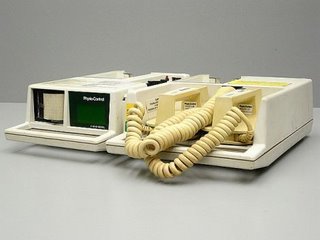
Needless to say such an action was extremely negligent and so they were counselled by the manager of the day. Thanks to backup from the union both crews were very lucky not to lose their jobs.
When the service had the Bedford and Chevrolet ambulances it was routine to remove the stretchers and mop the floor out at the end of each shift. The stretchers were often left out of the vehicle during the crew changeover so the floor could dry sufficiently.
This lead to an embarrassing moment for one poor crew who got called to an urgent job as soon as they arrived for work. The back doors were already closed so they jumped in and raced off to the motor vehicle accident they had been responded to.
Imagine their shock when they opened the back doors to get the stretcher out only to find there were none! A sheepish crew had to call for a backup vehicle to transport the patient and return to station to retrieve their stretchers.
The first in the list of chores was to check the vehicle and all of its equipment off at the beginning of a shift. In theory, this involved carrying out a detailed inspection of all of the vehicles inventory against a check-list of what was supposed to be there.
Every single item was supposed to be counted to ensure minimum numbers of the items were present according to the list. Most consumable items were stored in plastic containers in the long cupboards above the stretchers. One container might have four different sizes of bandages, another dressings, oxygen masks, tubes etc.
There were also the jump kits which contained most of the important gear that would be taken to the patient. These would hold drugs, bandages, dressings, oxygen, masks, IV gear etc.
Each drug in these would have to be counted and the expiry date checked. The oxygen and entonox gas levels in the kits and vehicle were inspected, recorded and replaced if required.
The other equipment including the stretchers, splints, linen and ECG defibrillator / monitor (defib for short) was checked and tested.
Even the vehicle itself was examined. The brake lights, indicators and head and taillights were checked. The beacons, siren and horn were also tested, as was the oil and water levels.
I always made sure the vehicle was ready to go and that I had enough pillows and linen, particularly on a cold day or night. Pillows make great splints so it was important that I had at least three.
In reality, when it came to checking the vehicle off most staff got to know what was supposed to be in the vehicle and a quick once over of the items was usually the standard approach.
As the reader can imagine the routine can be boringly repetitive after doing the same thing every shift, every day, every year. Consequently some staff became very complacent and a few didn’t even bother carrying it out much at all. This of course was potential for disaster.
There was once just such a lax crew who started their shift at one of the quieter stations and asked the previous crew if everything was in place to which they replied it was. The new crew took the previous crews word that everything was accounted for and obviously didn’t bother to do a check themselves. The trouble was that the previous crew also hadn’t checked the vehicle off properly at the start of their shift and didn’t do any jobs that would have required them to re-stock any items.
Unfortunately the new crews first job was being responded to a cardiac arrest and on arrival a shocked and panicky crew discovered there were no batteries in the defibrillator! They had been removed for charging and not been replaced and the crew had not checked the equipment. They had to call for another ambulance to back them up so the patient could be defibrillated.
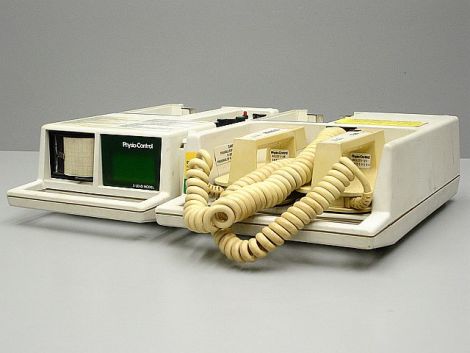
Needless to say such an action was extremely negligent and so they were counselled by the manager of the day. Thanks to backup from the union both crews were very lucky not to lose their jobs.
When the service had the Bedford and Chevrolet ambulances it was routine to remove the stretchers and mop the floor out at the end of each shift. The stretchers were often left out of the vehicle during the crew changeover so the floor could dry sufficiently.
This lead to an embarrassing moment for one poor crew who got called to an urgent job as soon as they arrived for work. The back doors were already closed so they jumped in and raced off to the motor vehicle accident they had been responded to.
Imagine their shock when they opened the back doors to get the stretcher out only to find there were none! A sheepish crew had to call for a backup vehicle to transport the patient and return to station to retrieve their stretchers.
Sunday, August 27, 2006
Keeping Fit
A large part of our work involved taking patients to the many daily clinics at the hospital. Auckland hospital decided they could get better value for money than utilising ambulances for this workload and the contract for these services was awarded to a taxi company!
We suddenly found ourselves extremely short of work. For a few weeks we were all parked in the ambulance bay at the major city hospital waiting around for jobs. The management decided there was simply not enough work left to continue the Patient Transport Service, which was abandoned, and we were thankfully integrated into the mainstream service.
Being part of the emergency side of the service was more much exciting and challenging.
The other Ambulance Officers I worked with came from every walk of life. Some had been medics in the armed services, some were nurses but most had no medical backgrounds at all. There were tradesman, a lawyer, a few from the Police force and people from just about every other job out there.
The uniqueness of the job and type of work formed a very strong comradre amongst the staff and the senior staff were generally very well respected by the junior staff.
When I first joined the service it still had a military feel about it. Senior Operation Officers were addressed as ‘Sir’ or ‘Mam’. Staff were expected to be well groomed with polished shoes and vehicles were expected to be kept clean, tidy and well presented at all times.
There were even regulations on what linen was to be laid on the stretcher. The ‘corporate linen,’ as it was referred to, consisted of two neatly folded blankets, a folded draw sheet, a towel and a pillow, tidily arranged on each stretcher in a set pattern.
It was forbidden to drive with your elbow partially leaning out the window and at one stage we even received a directive not to use please or thank you during our radio telephone conversations.
Each station had four ranked staff. There were three station officers and one senior station officer who was responsible for the overall running of the staff and station. They were mostly advanced paramedics and well respected since they were also responsible for handing out discipline.
As time went on these regulations softened and it became a more relaxed place to work although I felt some of the professional image was lost in this transition.
When I first started with the service there were almost two hundred ambulance officers scattered throughout the eight metropolitan and five rural stations.
As a new staff member, particularly as a male one, it took some time before you got to know many of the staff. Even just being with them on station did not guarantee that you got to know them. It wasn’t until you actually worked with them as a pair that you got to know who they were, their background, past work history and they got to know you and yours.
For many of the older staff, especially, you had to earn their respect and almost prove yourself before they would warm to you.
I was fortunate that I managed to fast-track this process by playing for the Auckland Ambulance Rugby team thanks to the organiser and captain Boycee.
We only ever played about five games a year but thanks to Tony and some corporate sponsorship we had our own rugby jerseys and played on the little used rugby grounds at the Ford motor company in Manukau.
Our opposition teams were usually from the Fire Service, Ministry of Transport, Police, Referees association and even other Ambulance services.
The games were a lot of fun but also quite competitive. There was always some friendly badgering between the teams and even the typical punch-ups that seemed innate with the sport.
One time when we were playing a neighbouring ambulance service in Auckland, the referee walked off the game because he said it was too rough for a so called friendly game.
Since the players in our team were from all the different stations I got to know and respect a lot of the older ambulance staff and found a strong comradre amongst them. This of course also translated into the job.
Although I hadn’t been particularly sporty in my earlier years I now really enoyed team sports and while working for the service I also played in the touch rugby team and arranged a basketball team and indoor volleyball team as well. The trouble was trying to get regular players amongst shift workers but it was still fun nevertheless.
One year I also ran with an ambulance team in the Keri Keri half marathon and in the Around Lake Taupo relay run.
These were both fantastic events as we were allowed to take an ambulance PTS van as transport and had an ambulance social club t-shirt as part of the team. They also helped to build comradre as well as keep us fit.
We suddenly found ourselves extremely short of work. For a few weeks we were all parked in the ambulance bay at the major city hospital waiting around for jobs. The management decided there was simply not enough work left to continue the Patient Transport Service, which was abandoned, and we were thankfully integrated into the mainstream service.
Being part of the emergency side of the service was more much exciting and challenging.
The other Ambulance Officers I worked with came from every walk of life. Some had been medics in the armed services, some were nurses but most had no medical backgrounds at all. There were tradesman, a lawyer, a few from the Police force and people from just about every other job out there.
The uniqueness of the job and type of work formed a very strong comradre amongst the staff and the senior staff were generally very well respected by the junior staff.
When I first joined the service it still had a military feel about it. Senior Operation Officers were addressed as ‘Sir’ or ‘Mam’. Staff were expected to be well groomed with polished shoes and vehicles were expected to be kept clean, tidy and well presented at all times.
There were even regulations on what linen was to be laid on the stretcher. The ‘corporate linen,’ as it was referred to, consisted of two neatly folded blankets, a folded draw sheet, a towel and a pillow, tidily arranged on each stretcher in a set pattern.
It was forbidden to drive with your elbow partially leaning out the window and at one stage we even received a directive not to use please or thank you during our radio telephone conversations.
Each station had four ranked staff. There were three station officers and one senior station officer who was responsible for the overall running of the staff and station. They were mostly advanced paramedics and well respected since they were also responsible for handing out discipline.
As time went on these regulations softened and it became a more relaxed place to work although I felt some of the professional image was lost in this transition.
When I first started with the service there were almost two hundred ambulance officers scattered throughout the eight metropolitan and five rural stations.
As a new staff member, particularly as a male one, it took some time before you got to know many of the staff. Even just being with them on station did not guarantee that you got to know them. It wasn’t until you actually worked with them as a pair that you got to know who they were, their background, past work history and they got to know you and yours.
For many of the older staff, especially, you had to earn their respect and almost prove yourself before they would warm to you.
I was fortunate that I managed to fast-track this process by playing for the Auckland Ambulance Rugby team thanks to the organiser and captain Boycee.
We only ever played about five games a year but thanks to Tony and some corporate sponsorship we had our own rugby jerseys and played on the little used rugby grounds at the Ford motor company in Manukau.
Our opposition teams were usually from the Fire Service, Ministry of Transport, Police, Referees association and even other Ambulance services.
The games were a lot of fun but also quite competitive. There was always some friendly badgering between the teams and even the typical punch-ups that seemed innate with the sport.
One time when we were playing a neighbouring ambulance service in Auckland, the referee walked off the game because he said it was too rough for a so called friendly game.
Since the players in our team were from all the different stations I got to know and respect a lot of the older ambulance staff and found a strong comradre amongst them. This of course also translated into the job.
Although I hadn’t been particularly sporty in my earlier years I now really enoyed team sports and while working for the service I also played in the touch rugby team and arranged a basketball team and indoor volleyball team as well. The trouble was trying to get regular players amongst shift workers but it was still fun nevertheless.
One year I also ran with an ambulance team in the Keri Keri half marathon and in the Around Lake Taupo relay run.
These were both fantastic events as we were allowed to take an ambulance PTS van as transport and had an ambulance social club t-shirt as part of the team. They also helped to build comradre as well as keep us fit.
Wednesday, August 23, 2006
Run Over by an Incubator!
Our work as PTO’s was quite varied and involved transferring patients either to or from hospital or between hospitals. Some patients were post stroke victims and were wheel chair bound. It wasn’t easy loading these patients into the ambulance by ourselves but we managed most of the time. You become quite resourceful and our portable wheelchair got a lot of use!
Sometimes there would be two stretcher patients and a transit care nurse. Other times we would take a vanload of mobile and semi-mobile patients. Occasionally we would take patients to other provincial cities 1-3 hours drive away. I once even drove a patient all the way to Whakatane which was a 10.5 hours round trip.
Other jobs involved taking sick babies in incubators to the airport. This was always hard work as the incubators weighed a ton but we got to drive directly onto the tarmac beside the plane so due to my fascination with airplanes I never minded.
One time I was injured by an incubator that I had to transport from one hospital to another. I was walking in front pulling the heavy incubator with a staff nurse pushing it from behind as we travelled along the corridor of one of the main hospitals.
As we approached a corner she missed the cue and didnt slow down. Unfortunately I did and the bottom chassis rail of the incubator caught my heel as I walked in front of it. The entire weight of the incubator rode up on my heel carving a deep chunk out of it.
It hurt like hell at the time but I carried on with the job and transported the patient and escort to the next hospital.
After unloading the patient I checked my heel and found it a bloody mess. My sock was sodden with blood and a nice haematoma had formed around the chunk of lifted skin.
I ended up going to the ER where a sympathetic nurse dressed and bandaged it. I was the first (and probably only) ambulance officer ever to be run over by an incubator! It was kinda embarressing so I just carried on for the rest of the day and didnt mention it to anyone.
Sometimes there would be two stretcher patients and a transit care nurse. Other times we would take a vanload of mobile and semi-mobile patients. Occasionally we would take patients to other provincial cities 1-3 hours drive away. I once even drove a patient all the way to Whakatane which was a 10.5 hours round trip.
Other jobs involved taking sick babies in incubators to the airport. This was always hard work as the incubators weighed a ton but we got to drive directly onto the tarmac beside the plane so due to my fascination with airplanes I never minded.
One time I was injured by an incubator that I had to transport from one hospital to another. I was walking in front pulling the heavy incubator with a staff nurse pushing it from behind as we travelled along the corridor of one of the main hospitals.
As we approached a corner she missed the cue and didnt slow down. Unfortunately I did and the bottom chassis rail of the incubator caught my heel as I walked in front of it. The entire weight of the incubator rode up on my heel carving a deep chunk out of it.
It hurt like hell at the time but I carried on with the job and transported the patient and escort to the next hospital.
After unloading the patient I checked my heel and found it a bloody mess. My sock was sodden with blood and a nice haematoma had formed around the chunk of lifted skin.
I ended up going to the ER where a sympathetic nurse dressed and bandaged it. I was the first (and probably only) ambulance officer ever to be run over by an incubator! It was kinda embarressing so I just carried on for the rest of the day and didnt mention it to anyone.
Sunday, August 20, 2006
First Priority one job
My first PTS job was to pick up a patient from the Artificial Limb Centre (ALC) in Mt Eden. We received the job over the RT from a dispatcher by the name of Ray.
Ray had served many years with the ambulance service and was a real legend amongst the troops. He was once awarded a medal for bravery when he risked his life to get to a shot policeman during an armed offender callout. That was in the days before there was a Police SWAT team . He had seen it all and had the foresight to finish his time off in the service sitting in a cushy chair in the control room.
This old timer still had an extremely sharp mind and knew where all the ambulances were at any one time without having to use the computer. Not an easy task when you are juggling forty or more vehicles all over city.
Our induction training didnt include being shown where any of the clinical departments were located around the city, so when we got the job we had to search through the map books and then a phone book to find our way there. We didnt want to sound ignorant over the radio asking for directions or the clinic location and he certainly wasnt offering any. Eventually we got there and completed the transfer.
As New Zealand largest, Auckland City can be very daunting to most people visiting or even living there, yet we were expected to just know our way around all of it. It was a sharp learning curve for new recruits, especially for people like myself who had lived outside of Auckland. It wasnt uncommon for new staff to get completely lost or end up going the wrong way.
Our jobs were dispatched over the radio as either Code 1 (non urgent) or Code 2 (urgent) the later meaning you could respond under lights and siren. Code 2 jobs provided the high profile adrenaline rush we always hoped for but the majority of the work was code 1.
Navigating your way through city traffic and going against red traffic lights was dangerous stuff but also a lot of fun. I clearly remember my first ever Code two job.
I was at the old Pitt St ambulance station having my lunch break. By now I was single crewed and the other vehicles were all out on jobs. Suddenly the station alarm sounded indicating there was a code two job. I was confused at first, as I was the only vehicle on station and thought the job couldn’t possibly be for me, a PTS vehicle. I answered the beeping radio-telephone (RT) in my vehicle (which indicated the control room had paged me) and was given the job over the air.
"A-11 your time out is 1228, code 2 to an R3 (aircraft crash alert) at Auckland International Airport, George Bolt Drive Drive, Mangere, job number 56"
I was one of a number of vehicles to respond to an International flight that was landing with a problem. I was so excited about the job I let out a yelp of excitement and quickly looked up the best way to get there.
I knew I could go via the motorway and exit at Mt Wellington then go through Otahuhu and Mangere. I didn’t know if this was the quickest way but it was the only route I knew without having to refer to the map book so I figured it was the safest bet.
I started the vehicle up and selected drive on the automatic transmission. Headlights switched on full beam. Beacons on. Siren on. I accelerated the Bedford Ambulance out of the station and into the throng of Pitt street traffic.
My heart was racing as I manoeuvred the high profile vehicle through the stationery cars up Pitt St and left onto an even busier Karangahape Road, then onto the motorway. Siren whaling, air horn blaring, traffic pulling over. It was a mixture of elation and panic but I loved every moment.
In those days the traffic police department was separate from the regular Police force and run by the Ministry of Transport (M.O.T). As I exited the Motorway at Mt Wellington and approached Mangere Rd I was astounded to see a Traffic officer at each intersection holding up the traffic and waving me through. It made me feel awfully important. I never experienced this VIP treatment by the MOT during an R3 again so it was quite a novelty.
Turning into George Bolt Memorial drive I was suddenly called up by the control room. Apparently the plane had landed safely and I was to stand down and head for the Matai Rd station to complete my lunch break. Although not getting to the airport was a letdown I was still beaming from my first code 2 for the rest of the day.
Ray had served many years with the ambulance service and was a real legend amongst the troops. He was once awarded a medal for bravery when he risked his life to get to a shot policeman during an armed offender callout. That was in the days before there was a Police SWAT team . He had seen it all and had the foresight to finish his time off in the service sitting in a cushy chair in the control room.
This old timer still had an extremely sharp mind and knew where all the ambulances were at any one time without having to use the computer. Not an easy task when you are juggling forty or more vehicles all over city.
Our induction training didnt include being shown where any of the clinical departments were located around the city, so when we got the job we had to search through the map books and then a phone book to find our way there. We didnt want to sound ignorant over the radio asking for directions or the clinic location and he certainly wasnt offering any. Eventually we got there and completed the transfer.
As New Zealand largest, Auckland City can be very daunting to most people visiting or even living there, yet we were expected to just know our way around all of it. It was a sharp learning curve for new recruits, especially for people like myself who had lived outside of Auckland. It wasnt uncommon for new staff to get completely lost or end up going the wrong way.
Our jobs were dispatched over the radio as either Code 1 (non urgent) or Code 2 (urgent) the later meaning you could respond under lights and siren. Code 2 jobs provided the high profile adrenaline rush we always hoped for but the majority of the work was code 1.
Navigating your way through city traffic and going against red traffic lights was dangerous stuff but also a lot of fun. I clearly remember my first ever Code two job.
I was at the old Pitt St ambulance station having my lunch break. By now I was single crewed and the other vehicles were all out on jobs. Suddenly the station alarm sounded indicating there was a code two job. I was confused at first, as I was the only vehicle on station and thought the job couldn’t possibly be for me, a PTS vehicle. I answered the beeping radio-telephone (RT) in my vehicle (which indicated the control room had paged me) and was given the job over the air.
"A-11 your time out is 1228, code 2 to an R3 (aircraft crash alert) at Auckland International Airport, George Bolt Drive Drive, Mangere, job number 56"
I was one of a number of vehicles to respond to an International flight that was landing with a problem. I was so excited about the job I let out a yelp of excitement and quickly looked up the best way to get there.
I knew I could go via the motorway and exit at Mt Wellington then go through Otahuhu and Mangere. I didn’t know if this was the quickest way but it was the only route I knew without having to refer to the map book so I figured it was the safest bet.
I started the vehicle up and selected drive on the automatic transmission. Headlights switched on full beam. Beacons on. Siren on. I accelerated the Bedford Ambulance out of the station and into the throng of Pitt street traffic.
My heart was racing as I manoeuvred the high profile vehicle through the stationery cars up Pitt St and left onto an even busier Karangahape Road, then onto the motorway. Siren whaling, air horn blaring, traffic pulling over. It was a mixture of elation and panic but I loved every moment.
In those days the traffic police department was separate from the regular Police force and run by the Ministry of Transport (M.O.T). As I exited the Motorway at Mt Wellington and approached Mangere Rd I was astounded to see a Traffic officer at each intersection holding up the traffic and waving me through. It made me feel awfully important. I never experienced this VIP treatment by the MOT during an R3 again so it was quite a novelty.
Turning into George Bolt Memorial drive I was suddenly called up by the control room. Apparently the plane had landed safely and I was to stand down and head for the Matai Rd station to complete my lunch break. Although not getting to the airport was a letdown I was still beaming from my first code 2 for the rest of the day.
Subscribe to:
Posts (Atom)